
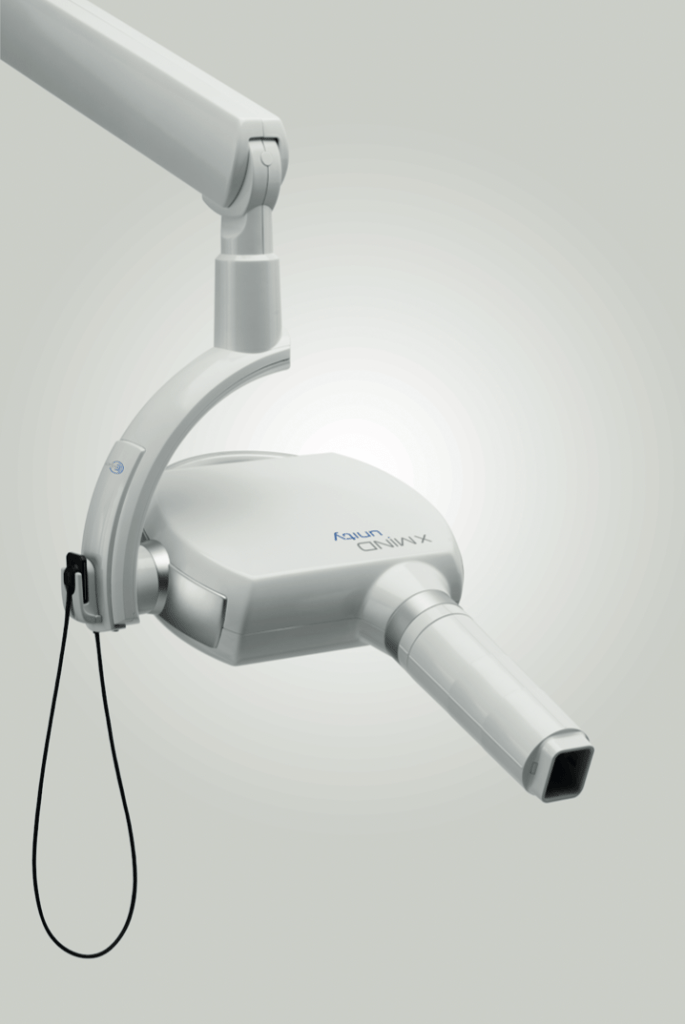
Digital Radiography (X-Rays)
Dental radiography is essential when diagnosing and performing
Endodontic treatment. It allows us to identify issues we cannot see
with our own eyes. We can detect decay, and identify bone levels
and periodontal disease as well as infection and pathology.
We use Acteon Sopix sensors that Utilise ACE technology. This
will not only reduce radiation exposure but also stop any excessive
exposure by stopping the X-ray beam when there is enough
information, rather than just delivering a standard dose
All the x-rays taken are stored in the patient’s chart allowing easy
and fast communication with the patient and referring dentist.
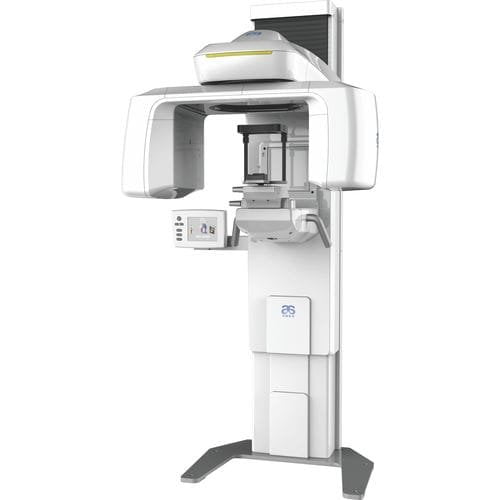
Cone Beam Computerised Technology (CBCT)
The CBCT is an X-ray based imaging technique that provides fast and accurate visualisation of the bone and teeth in 3D using low radiation levels for the patient. This technology allows us to identify potential causes of pain, infection, resorption, and trauma that cannot be identified on conventional 2D sensors.
Our practice uses the state-of-the-art ACTEON TRIUM CBCT, a unit for 3D viewing. The minute details available from these 3D scans are usually not viewable from standard X-rays and allow for extremely accurate diagnoses. This means that occasionally pain can be detected, or tooth fractures, etc from a CBCT scan that could not be seen in @D, this allows us to more accurately diagnose and treat a patient. Research has shown that up to 50-60% of diagnosis and treatment is changed subsequent to 3D information being obtained
In endodontics we only ever use a 4×4 cm, this provides minimal radiation exposure.
Doses
Background radiation is 2700μSv, this is the amount of radiation our bodies absorb just walking around in a year.
Put into context, a flight from Frankfurt to New York is approximate 88-100μSv
In endodontics, we usually take a scan of size 4x4cm.
A 4×4 CBCT is approximately 22μSv (3-4 days of background radiation)
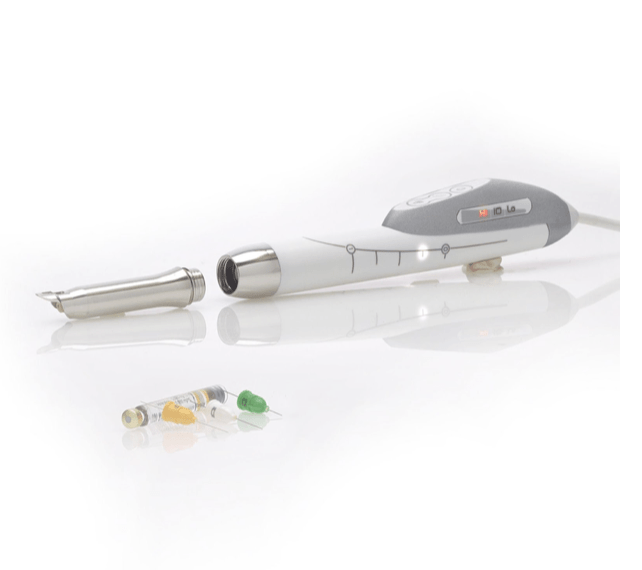
Quicksleeper 5 (intraOosseous Anaesthesia)
This computerised injection system can provide virtually painless anaesthesia. The delivery is so slow that the pressure cannot be detected.
QuickSleeper5 is a state-of-the-art electronic pen that efficiently and comfortably performs all dental anaesthesia – including osteo central anaesthesia – quickly and without failure.
By enabling injections into the cancellous bone close to the apex, QuickSleeper delivers anaesthesia that is instantaneous and without numbness to the surrounding soft tissues. The system also allows for effortless anaesthetising of mandibular molars, even with pulpitis/ severe toothache.
To put this into context, a dental IANB (inferior alveolar nerve block) will provide pulpal anaesthesia in only 15-27% of patients with severe toothache; Intraosseous injection can achieve between 80-95% pulpal anaesthesia in similar situations. This system almost guarantees patient pain control during root canal treatment compared to conventional methods.
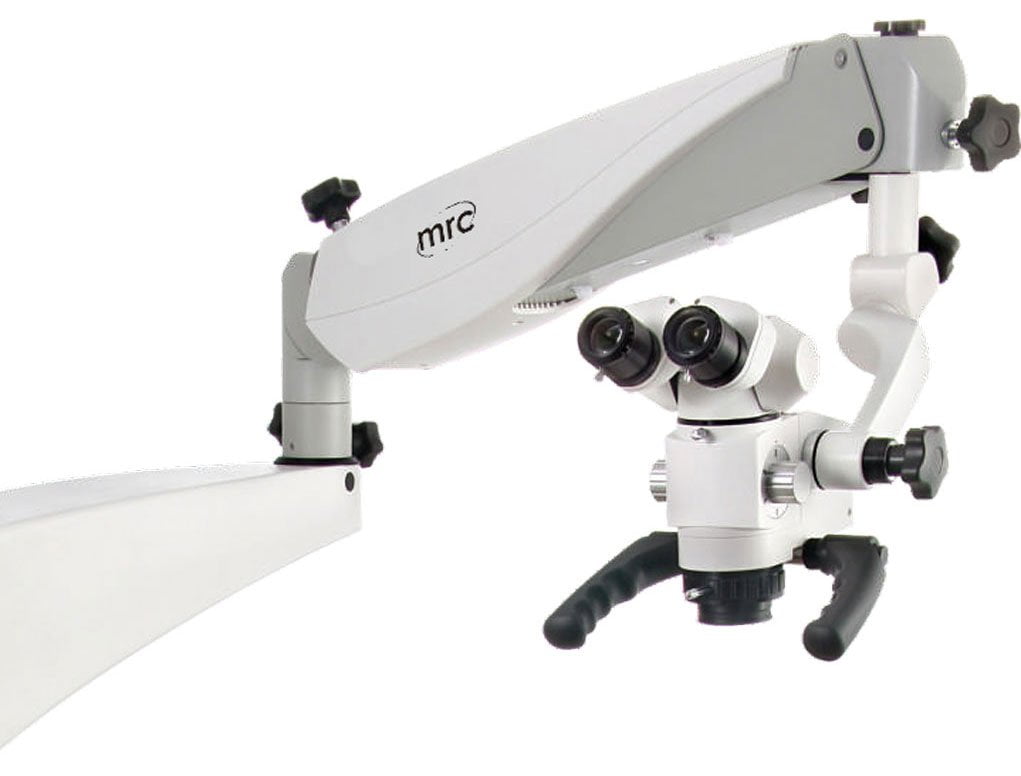
Dental Microscope
Dental microscopes allow the Endodontist to have an unparalleled vision. With this equipment, we can see the end of the tooth, missed canals, and anatomy, as well as aid us with the removal of broken instruments or areas of damage and perforation.
Most dentists will not have this level of vision that is essential for the provision of specialist endodontics.
Microscopes also allow us to photograph, video, and record clinical and patient information
MOST importantly, if you CANNOT see it, you cannot TREAT it.
We use CJ-Optik Flexion Twin microscopes
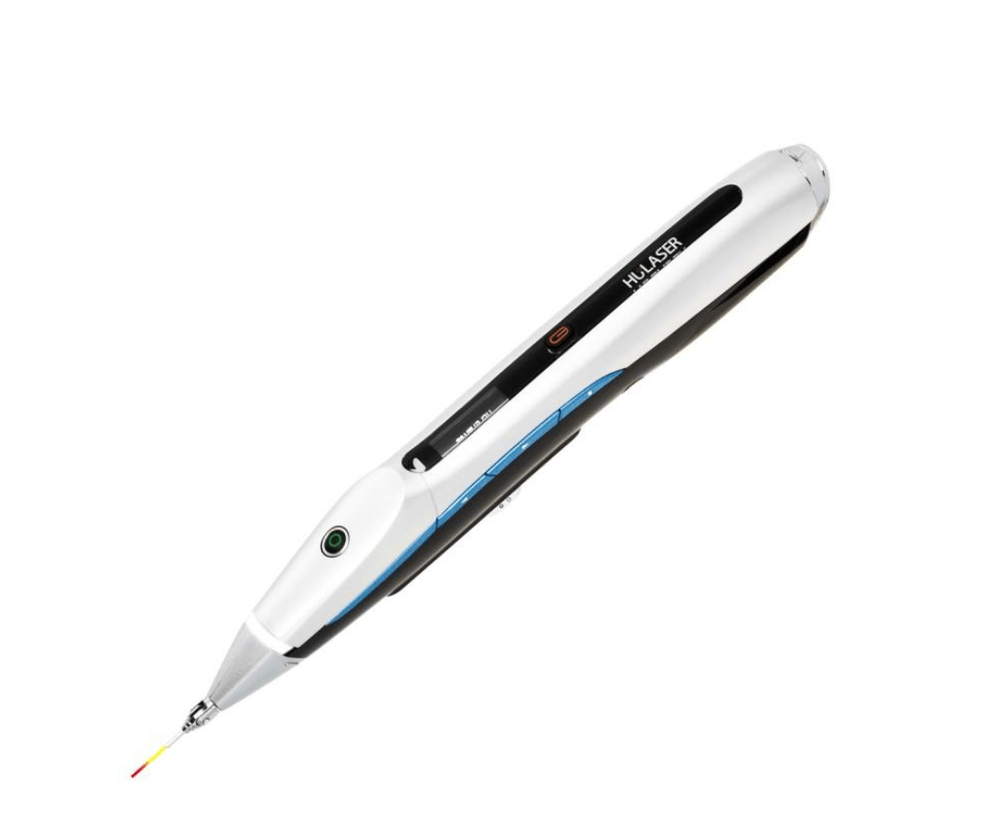
Soft Tissue Laser
Soft tissue lasers can be used to cut the gum to expose the tooth to allow for restoration prior to Endodontic treatment and incise swellings. Lasers also create quicker healing and haemostasis compared to using a scalpel.